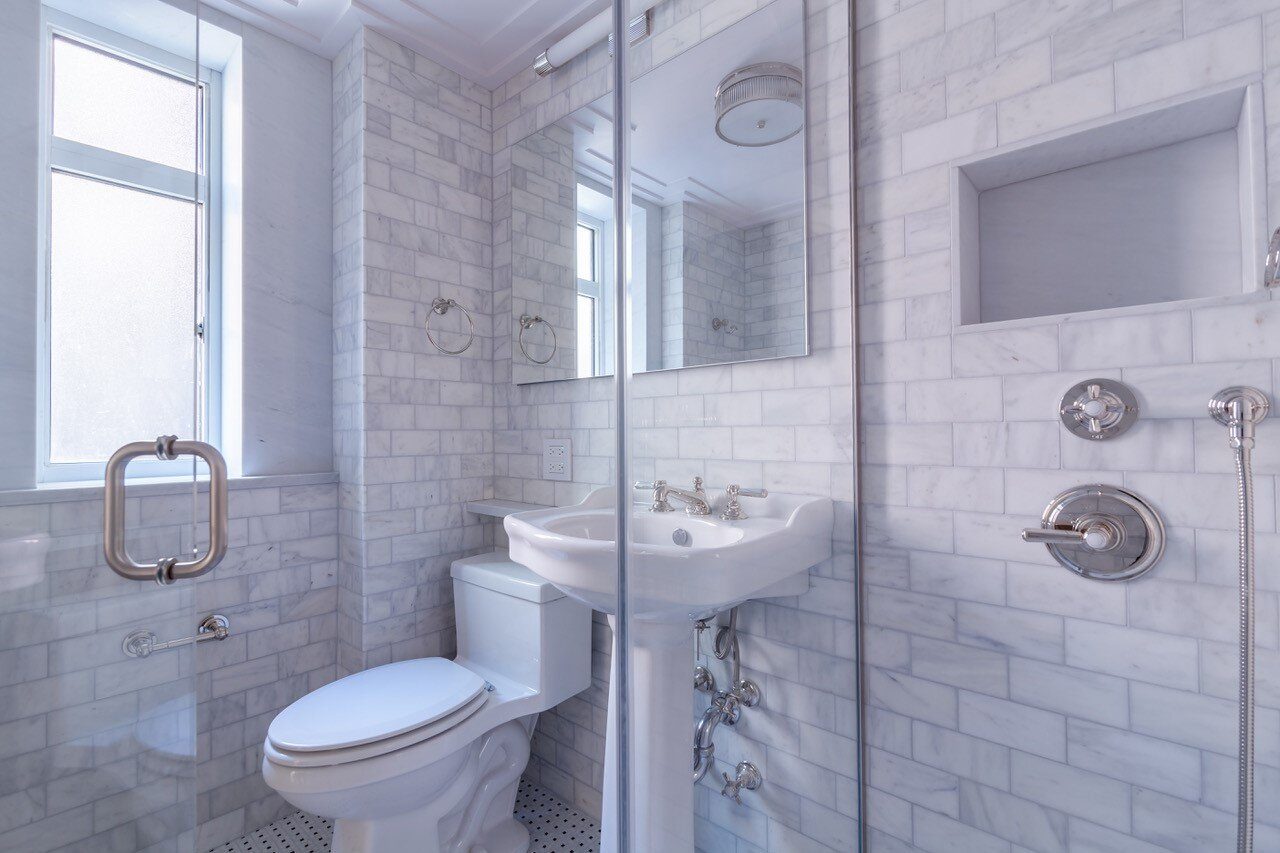
Renovating a prewar cooperative is one of the most rewarding things you can do to a New York home — and one of the most procedural. The apartments are gracious and solidly built, but they come wrapped in rules: an alteration agreement, a board to satisfy, neighbors a few inches away, and a building that was put up long before anyone imagined a sub-zero refrigerator. Here is what actually shapes the project.
It starts with the alteration agreement
Before a single wall comes down, your building's alteration agreement governs what you can do, when you can do it, and what your contractor must carry. We review it early, because it sets the insurance limits, the working hours, the protection requirements, and the sign-offs that the rest of the schedule hangs on. A good contractor has read more of these than you have — lean on that.
The board package
Most co-ops require a formal submission before approving work. Assembling it well is half the battle, and it typically includes:
- Architect's drawings and a clear scope of work
- Your contractor's license, certificates of insurance, and references
- The signed alteration agreement and any required engineer's letters
- A schedule and a plan for protecting common areas
We prepare and coordinate this package so it lands complete the first time — incomplete submissions are the single most common cause of a delayed start.
Summer rules and quiet hours
Many buildings restrict construction to certain months or weekday hours, and some go quiet entirely over the summer. These windows are real constraints, not suggestions, and they're why a realistic schedule is worth more than an optimistic one. We build the calendar around them from day one.
Behind a prewar wall
Plaster, old risers, and unexpected structure are part of the territory. The difference between a smooth project and a stressful one is anticipation: opening exploratory areas early, coordinating with the building's engineer, and pricing the likely surprises before they become change orders. Done right, the building's age becomes its character — not its liability.
Thinking about a prewar renovation? Tell us about your apartment and we'll walk you through the process.